
Suspension Clamp Maintenance Guide for Reliable Transmission Line Performance
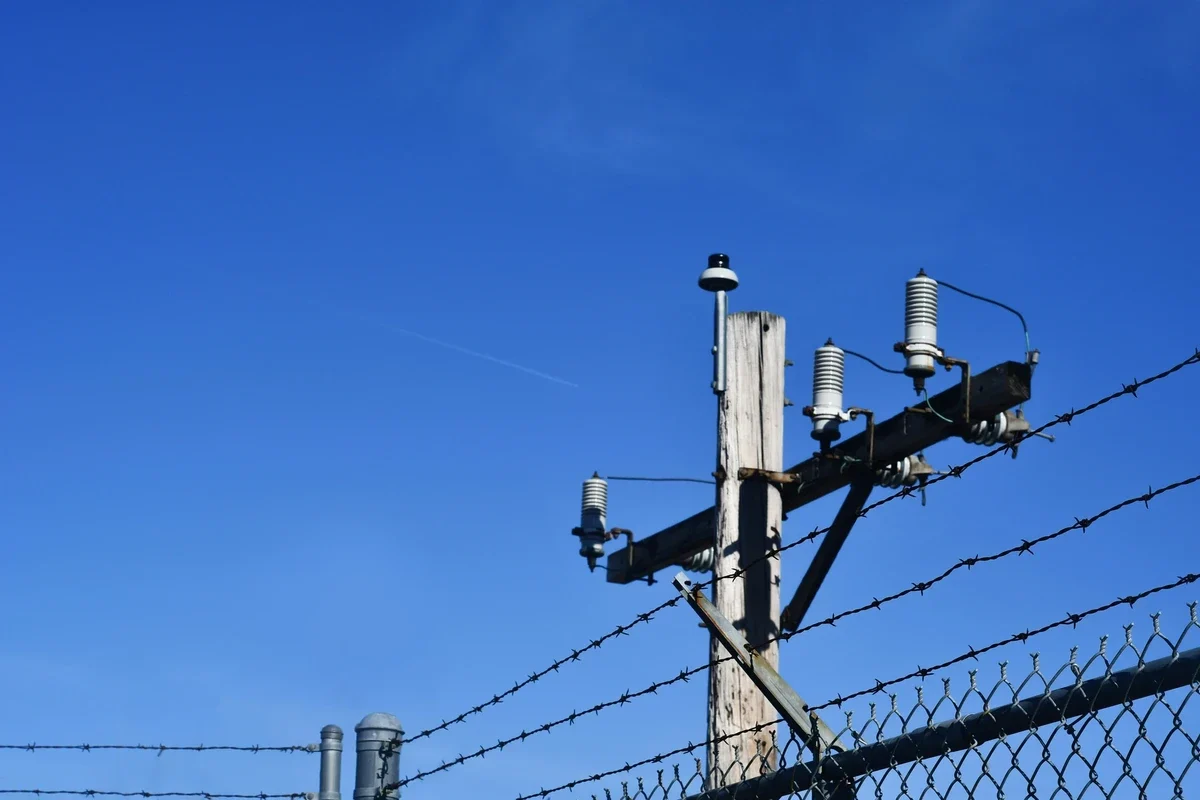
Suspension clamps are essential components in overhead transmission systems, supporting conductors and maintaining mechanical stability. Without proper suspension clamp maintenance, power utilities may face conductor damage, system instability, and increased operational costs.
For manufacturers, understanding these maintenance challenges is critical to producing high-quality preformed line products that perform reliably in real-world conditions.
Why Suspension Clamp Maintenance Matters
Regular suspension clamp maintenance helps prevent small issues from becoming major failures. The most common risks include:
- Vibration fatigue caused by long-term aeolian vibration
- Corrosion in coastal, humid, or industrial environments
- Improper installation stress due to incorrect alignment or torque
These factors directly affect the lifespan and reliability of transmission line systems.
Key Suspension Clamp Maintenance Practices
Visual Inspection for Wear
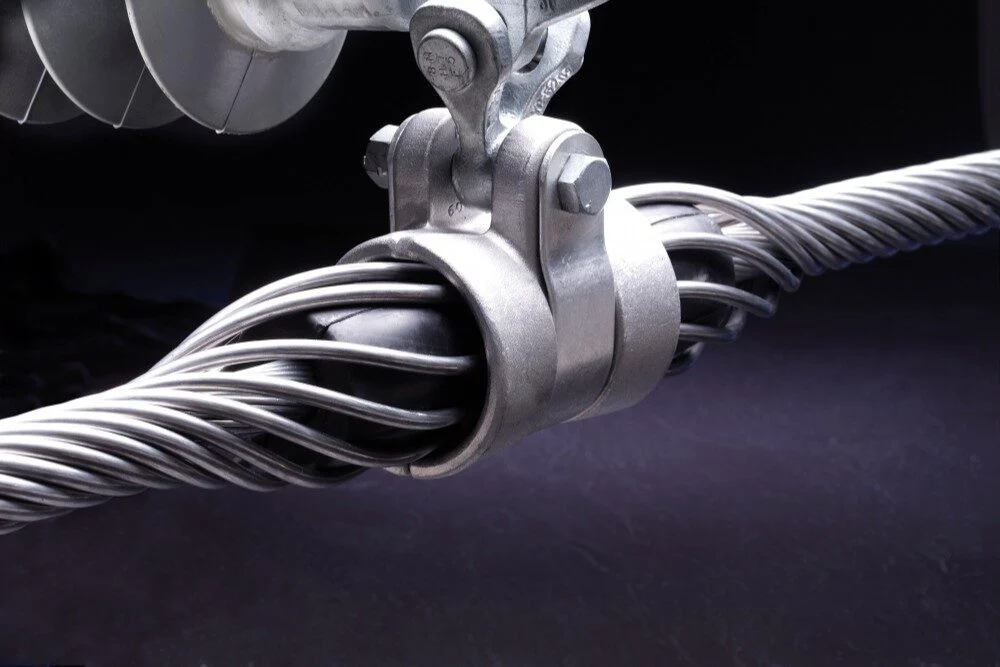
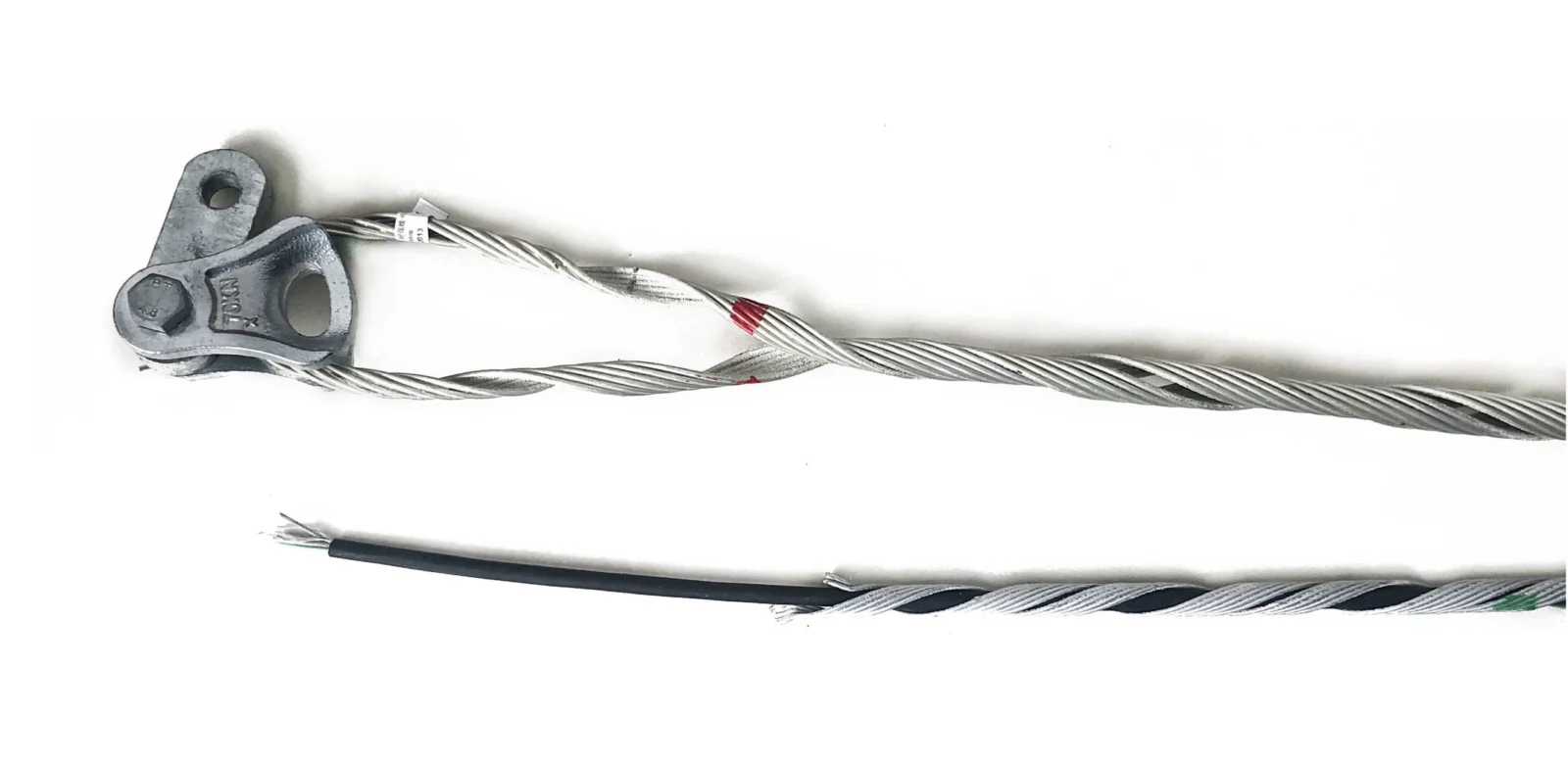
Check for deformation, cracks, or surface damage. For preformed fittings, ensure the helical rods are tightly wrapped around the conductor without gaps.
Precision Tightening Control
Maintain proper torque according to specifications. Over-tightening may damage conductors, while insufficient tightening can lead to slippage and wear.
Surface Protection and Corrosion Prevention
Apply anti-corrosion treatments when necessary and replace worn galvanized components to maintain structural integrity.
From Maintenance to Manufacturing: Why Precision Matters
While maintenance plays a key role, the root cause of many failures lies in inconsistent manufacturing quality.
High-precision forming equipment ensures:
- consistent helical pitch for balanced stress distribution
- stable mechanical strength of formed wires
- accurate dimensions for proper installation
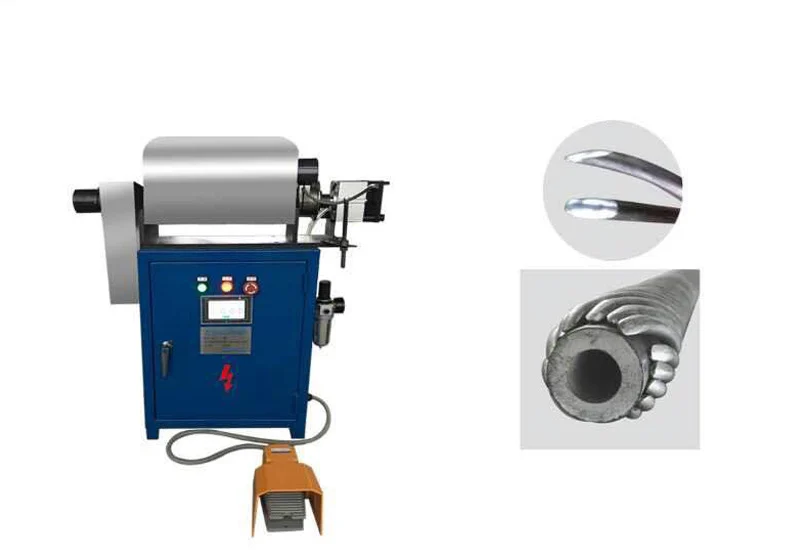
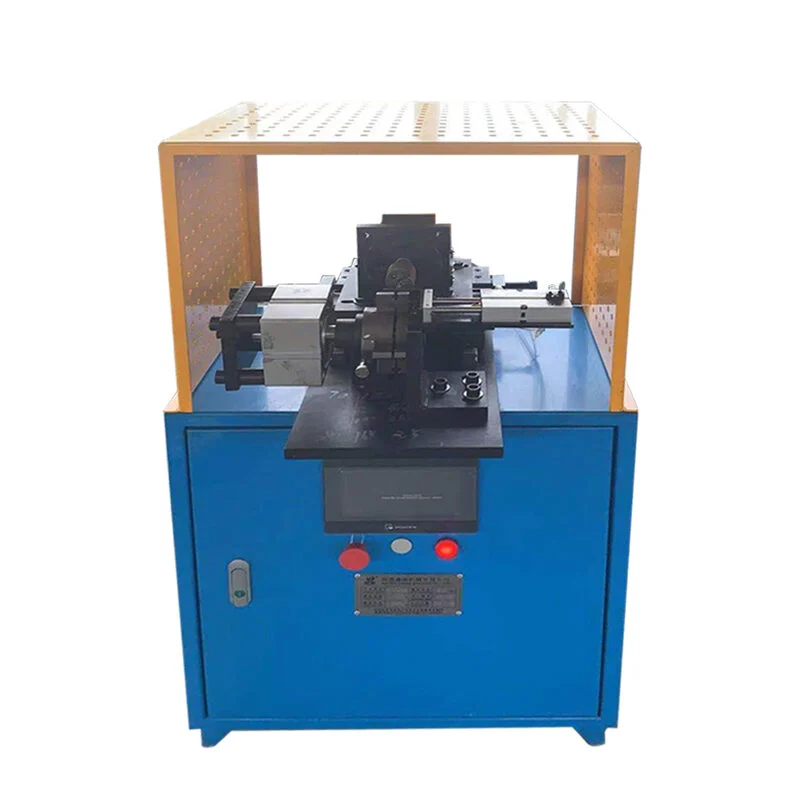
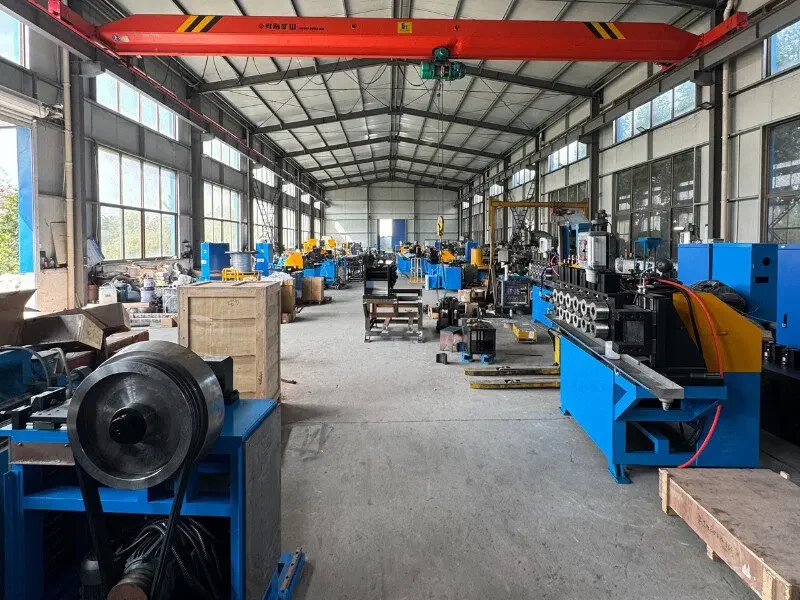
To achieve these results, manufacturers rely on advanced forming solutions such as
Preformed Line Product Machinery
which helps ensure uniform production quality and reduces long-term maintenance issues.
Industry Insight
Using precision-engineered forming equipment significantly reduces human error during installation and maintenance, as components fit accurately and perform consistently.
Conclusion
Effective suspension clamp maintenance is essential for reliable transmission line performance. However, long-term system stability depends on both proper maintenance practices and high-quality manufacturing from the start.
Investing in precision production technology is the most efficient way to reduce maintenance costs and improve overall system reliability.